As a Business Administration major with a minor in Marketing, I usually think about how businesses get people interested in what they offer and how they connect with their audiences. Before taking this class, I didn’t really think about how much museums must consider these same things. Museums need to find ways to get people through their doors and keep them interested while also educating people and preserving history and culture. After learning more about museums and their history, I started to see how marketing could help museums reach people who might not normally visit. I also realized that there are things businesses can learn from museums, especially when it comes to storytelling and understanding the meaning behind what they are trying to communicate.
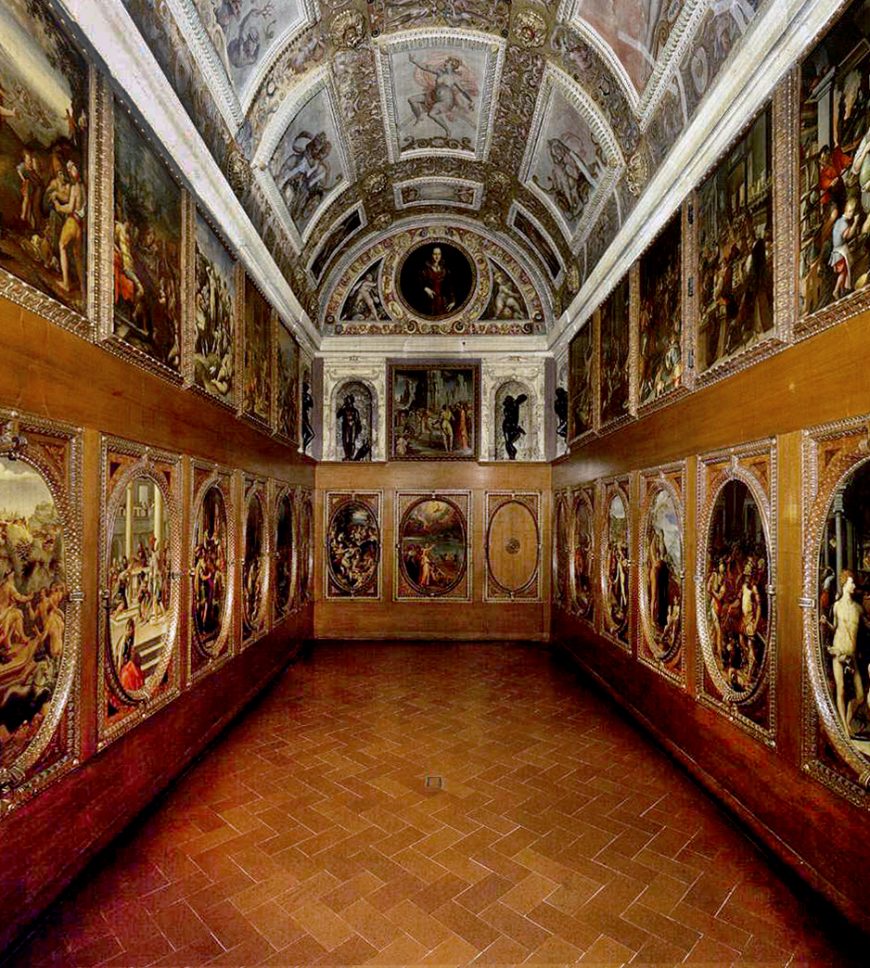
One thing that stood out to me from our class discussions was how museums have changed over time. In Elizabeth Rodini’s article, “A Brief History of the Art Museum”, she discusses how the development of museums reflects changes in society and the way people view and display art. This connects to what we learned about earlier collections, such as Renaissance studioli, and the development of institutions like the Ashmolean Museum and the Louvre. Museums were not always open to the public in the way many are today, and their purpose has evolved over time. This made me think about how museums must keep adapting to the people they serve. In marketing, understanding your audience is a big part of figuring out how to reach them. Museums could use surveys, visitor feedback, and research to learn more about who visits and who might be missing out. Instead of assuming they already know what people want, they could use that information to make their programs and exhibits more appealing to a range of audiences.
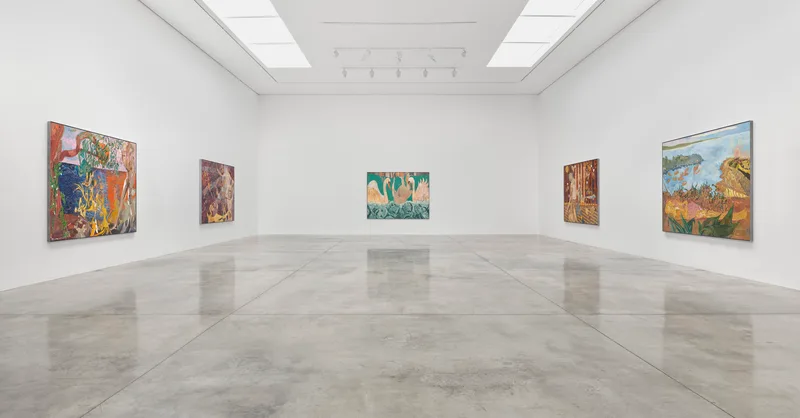
Another topic that interested me was the white cube and how the design of a museum can affect the way people experience art. The plain white walls, lighting, and lack of distractions are meant to help visitors focus on the artwork; however, I think this also raises questions about whether that kind of environment feels welcoming to everyone. Someone who doesn’t know much about art might feel out of place or assume they need to understand the artwork before they can appreciate it. This connects to marketing because the way an organization presents itself can affect if people want to engage with it in the first place. Museums could make their websites and promotional materials more approachable or offer activities that help visitors feel more comfortable. I don’t think museums need to completely change their traditional exhibits, but offering different ways to experience them could help more people feel included. The goal should be to make museums easier to connect with without taking away from the importance of the collections themselves.
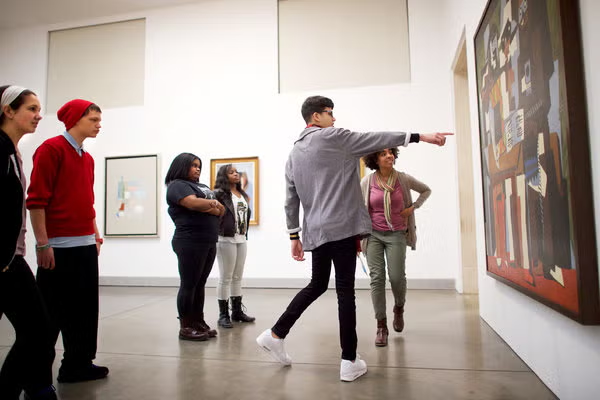
I also think social media is an area where marketing could make a difference in the museum world. Museums have so many interesting stories to share, but people who don’t regularly visit them might not realize that. In the article “Museums on TikTok: Key Strategies for Attracting Generation Z”, Javier Iturralde de Bracamonte and María Fragoso Mora examine how museums use TikTok to connect with younger audiences. This relates to my interest in social media because it shows how museums can use platforms that young people already spend time on to get them interested in history and art. For example, a museum could post a video showing how an artifact is preserved, give a behind-the-scenes look at an exhibit, or let a curator explain an object in a way that is easy to understand. Content like this could make people curious enough to visit in person. At the same time, I don’t think success should only be measured by views or likes. It is also important to consider whether the content helps people learn something new or makes them more interested in the museum.
I think marketing can benefit from museums in ways that go beyond social media and advertising, too. One example is storytelling. Museums give objects meaning by explaining where they came from, who used them, and why they matter. Businesses can do something similar by explaining the story behind their products or services instead of only focusing on what they are selling. I also think museums offer an important lesson about responsibility. When we learn about museum history, questions come up about who gets to decide what is displayed, how objects are interpreted, and whose stories are being told. These questions are important in business as well. Companies need to think about how they represent people and whether their marketing is respectful and accurate. Attracting customers is important, but it shouldn’t come at the expense of misrepresenting a community or ignoring the impact a business has on others.
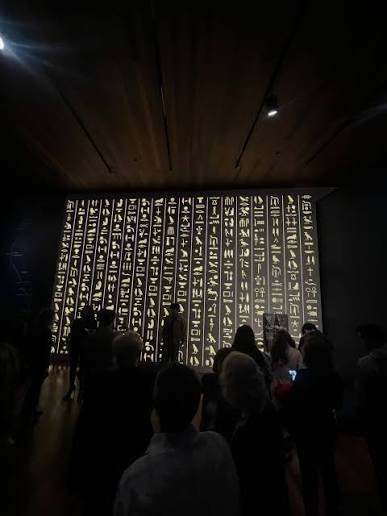
One way I could bring these ideas together is through my Museum After Dark concept. The idea is to create an evening museum event aimed at college students and young adults who might not normally visit museums during regular hours. It could include interactive exhibits, behind-the-scenes tours, Ask a Curator sessions, music, food, and partnerships with local businesses. From a marketing perspective, I could help research what would actually interest students, develop a social media campaign, and work on sponsorships and budgeting; however, the museum side would be just as important. The event would need to offer meaningful ways to learn about the collections rather than simply using the museum as a place to hang out. I would also want to get feedback from students and museum staff before deciding what the event should include. Overall, I think this idea shows how business and museum studies can work together. Marketing can help museums connect with new audiences, while museums can remind businesses that successful communication is about more than selling something. It is also about telling meaningful stories, understanding people, and building connections with the community.